Source Embossing Printing Metal Tin Sign for Decor, Gifts, and Signs
Explore 30 listings for Embossing Printing Metal Tin Sign options suitable for home decor, promotional gifts, and commercial signage. Buyers can compare customization, material thickness, and printing techniques across suppliers in China.
Key considerations
Products List


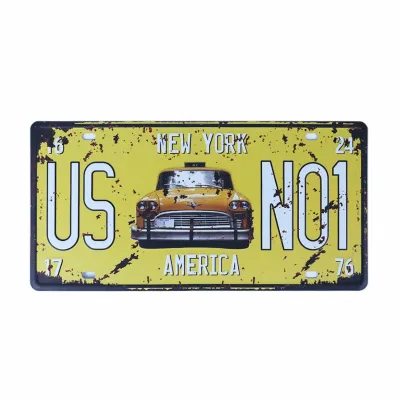
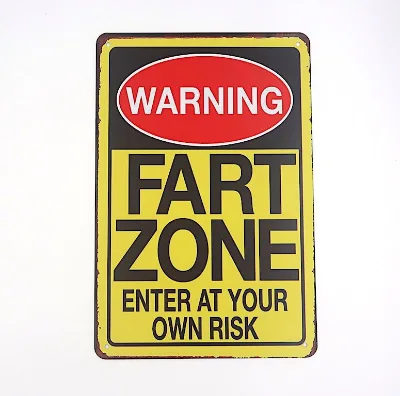

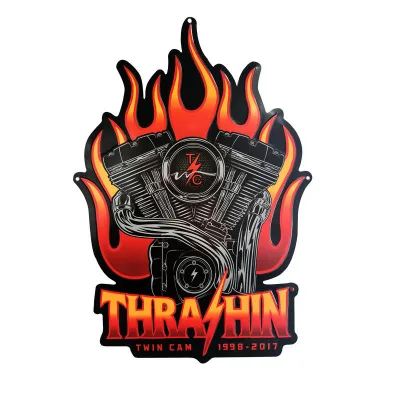
Custom Design Modern Are Deco Embossing Street Sign bar Tin Sign Metal Sign
$0.88 - $1.03
MOQ: 100 pieces



Rectangle Arch Tin Sign Decorative Metal Plaque Design Metal Tin Sign for Beer
$0.30 - $0.46
MOQ: 3000 Pieces

Custom Embossed Tinplate Advertising Rectangle Metal Poster Plate Tin Sign for Beverage
$0.50 - $0.80
MOQ: 3000 Pieces


Factory Wholesale Tinplate Retro Hanging Sign Metal Vintage Wall Decoration Tin Sign
$0.50 - $0.80
MOQ: 3000 Pieces

Cartoon Vintage Metal Tin Signs Printing Logo Metal Poster Custom Vintage Metal Signs
$0.10 - $0.70
MOQ: 500 Pieces


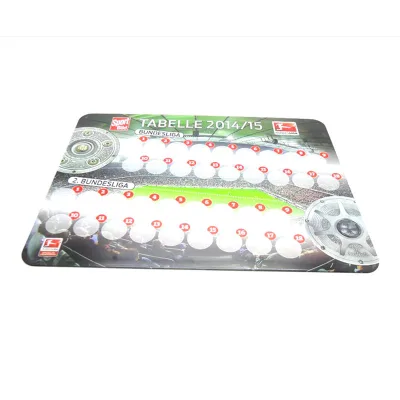
Metal Sign Road Sign with Custom Printing with 3D Emboss Metal Tin Can Factory
$0.10 - $0.80
MOQ: 5000 Minimum
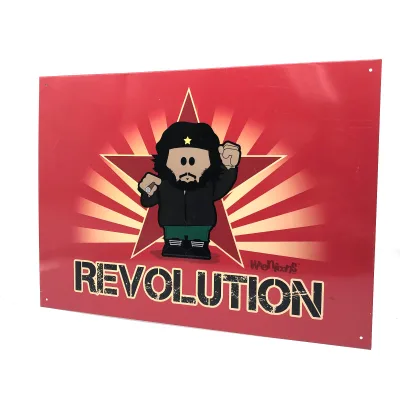


Metal Decorative Advertisement Plaque Signs Creative Plaques Metal Sign
$5.99 - $12.00
MOQ: 300 Pieces

Comprehensive Sourcing Guide
Strategic Sourcing Guide for Embossing Printing Metal Tin Signs
Understanding Product Definitions and Technical Attributes
When sourcing embossing printing metal tin signs, buyers must first distinguish between the specific material composition and the manufacturing processes involved. The core product category encompasses metal signs, specifically those utilizing tinplate or aluminum substrates, which are processed through either embossing or printing techniques. The observed market data indicates that "Metal" and "Tin" are the primary material descriptors, with specific references to "First Grade Tinplate" having a thickness of 0.23mm. This specific thickness is a critical technical parameter that influences the rigidity, durability, and weight of the final sign. Buyers should verify that the supplier explicitly states the material grade and thickness, as variations in tinplate quality can significantly impact the longevity of the embossed features and the adhesion of printed graphics.
The manufacturing process is a dual-path system involving either "embossed or printing" or "Printing or embossed" as distinct or combined techniques. The "Carving Type" is often identified as "Engraving," which suggests a mechanical removal or deformation of the material to create depth. In contrast, the "Printing" attribute lists "uv printing, Offset printing," and "Silkscreen Printing" as viable methods. The choice between these methods depends on the desired aesthetic; UV printing offers high durability and color vibrancy, while offset printing is often preferred for high-volume, detailed graphics. The "Process" field further clarifies that "Machinery" is used for processing, indicating an industrial scale of production rather than hand-crafting. Additionally, the "Cutting" method is specified as "Die Cut or Kiss Cut," which determines the final shape and edge finish of the sign. Understanding these technical definitions is essential before engaging with suppliers, as the terminology used in product listings must align with the buyer's specific design requirements.
Compliance, Certification, and Material Safety Standards
In the B2B procurement of metal signage, particularly those intended for commercial or decorative use, verifying compliance with international safety and environmental standards is paramount. The supplied product data explicitly lists a set of certifications that serve as a benchmark for quality assurance. These include ISO, SGS, RoHS, FDA, BPA, and Reach. The presence of these certifications suggests that the supplier has undergone rigorous testing for chemical safety, material composition, and manufacturing quality management. For buyers, this is not merely a checklist but a verification requirement. The "RoHS" and "Reach" certifications are particularly critical for products destined for the European market, ensuring that the tinplate and inks do not contain restricted hazardous substances. Similarly, "FDA" and "BPA" certifications are relevant if the signs are intended for environments where food contact or close human interaction is possible, although the primary usage listed is for "Decoration" and "Commerce Gift."
The "Standard" attribute in the product data is listed as "customized," yet specific dimensional standards like "Dia200x3Hmm" appear in certain listings. This discrepancy highlights the need for buyers to clarify whether the product adheres to a specific industry standard or is entirely bespoke. While "ISO 9001:2015" is mentioned in the background context, it is not confirmed as a high-confidence fact for every listing. Therefore, buyers should treat the presence of ISO certification as a variable that must be confirmed during the supplier vetting process rather than an inherent guarantee. The "Feature" attribute emphasizes "Eco-Friendly and Durable," and the "Ink" is described as "UV Proof Eco Friendly." These claims must be substantiated by the actual certification documents provided by the supplier. A robust procurement strategy involves requesting current, valid certificates for each specific batch or production run to ensure that the "Eco-Friendly" ink and "First Grade Tinplate" meet the declared environmental standards.
Cost Drivers and Pricing Structure Analysis
The pricing structure for embossing printing metal tin signs is influenced by a complex interplay of material costs, customization levels, and order volume. The observed price range in the market spans from $0.01 to $12 per unit, a wide variance that reflects the diversity of product specifications. The lower end of this spectrum likely corresponds to simple, unembossed, or minimally customized tinplate signs with standard dimensions, while the higher end reflects complex designs involving multi-step embossing, high-resolution UV printing, and custom packaging. The "MOQ" (Minimum Order Quantity) is a significant cost driver, with observed ranges from 5 to 5000 units. Suppliers often offer tiered pricing where the unit cost decreases as the order volume increases, but the initial investment required to meet the MOQ can be substantial for smaller buyers.
Material thickness is another primary cost factor. The specific mention of "0.23mm First Grade Tinplate" suggests a premium material grade that commands a higher price than thinner or lower-grade alternatives. Furthermore, the "Customization" attribute is marked as "Available," and the "Product Type" includes "Painting" and "Embossed Logo Name Plates." Customization inherently increases costs due to the setup of new molds, the "Have Existing Mould" attribute indicates that using pre-existing molds can reduce costs, but creating a new mold adds a one-time expense. The "Packing" options, ranging from "1pcs/opp bag" to "Polybag and Carton," also affect the final price, as more robust packaging increases material and labor costs. Buyers must balance the desire for customization against the budget constraints imposed by the MOQ and the per-unit price. A detailed cost analysis should account for the "Sample Time" of 7 work days and the "Delivery Time" of 3-5 weeks after sample approval, as these lead times impact the overall project timeline and potential rush fees.
Typical Applications and Usage Scenarios
The versatility of embossing printing metal tin signs makes them suitable for a broad spectrum of applications, ranging from personal decor to large-scale commercial promotion. The "Usage" attribute explicitly lists "Personal Decorations," "Promotion Gifts," "Souvenirs," "Home Decorations," "Commerce Gift," "Collection," and "Religious Crafts." This wide range indicates that the product is not limited to a single industry but serves multiple market segments. For "Home Decorations," the "Style" is often described as "European & American," suggesting a specific aesthetic appeal that targets interior design trends. The "Suitable for: Home" attribute reinforces this domestic application, while "Commerce Gift" and "Promotion Gifts" point to their utility in corporate branding and marketing campaigns.
The "Product Type" of "Badge & Emblem" and "Painting" further expands the potential use cases to include identification badges, event memorabilia, and artistic installations. The "Outdoor sign" and "Advertising sign" specifications indicate that these products are engineered to withstand external conditions, supported by the "Waterproof" attribute and "UV Proof" ink. This durability makes them ideal for outdoor advertising, where exposure to sunlight and weather is a constant factor. The "Religious Crafts" usage suggests a niche market for ceremonial or spiritual items, where the "Embossed Logo" and "Engraving" techniques add a sense of reverence and permanence. Buyers should align their sourcing strategy with the specific end-use of the product. For instance, signs intended for "Home Decorations" may prioritize aesthetic details like color ("Red" is a listed option) and style, while "Advertising signs" must prioritize durability, weather resistance, and visibility.
Supplier Evaluation and Geographic Considerations
When evaluating potential suppliers for embossing printing metal tin signs, geographic origin and manufacturing capabilities are critical factors. The "Place of Origin" is consistently listed as "China," with specific regions such as "Zhejiang, China" and "Guangdong, China" identified. These regions are known for their robust manufacturing ecosystems, particularly in metalworking and printing. The "OEM/ODM: Welcome" attribute indicates that suppliers are generally open to Original Equipment Manufacturer and Original Design Manufacturer arrangements, allowing buyers to customize products to their brand specifications. However, the "Mould" attribute notes "Have Existing Mould," which implies that some suppliers may rely on a library of pre-made molds to reduce costs and lead times. Buyers should verify whether their design requires a new mold or can be accommodated by existing tooling.
Supplier reliability is further assessed through their "Sample Time" and "Delivery Time." A sample time of 7 work days is a standard benchmark, but deviations can indicate production bottlenecks or quality control issues. The "Delivery Time" of 3-5 weeks after sample approval is a significant lead time that must be factored into the supply chain planning. Buyers should also scrutinize the "Brand Name" and "Model Number" fields, such as "guangsai" or "YYBR2211," to ensure transparency and traceability. While specific supplier names should not be recommended, the presence of a distinct brand and model number suggests a level of professionalism and product tracking. The "Single package size" of 32X15X16.5 cm and "Single gross weight" of 15.000 kg are logistical details that affect shipping costs and storage requirements. Buyers must ensure that the supplier's packaging and shipping capabilities align with their logistical needs, especially for international orders where freight costs can be substantial.
Quality Control and Long-Term Procurement Strategy
Establishing a robust quality control (QC) framework is essential for maintaining the integrity of embossing printing metal tin signs. The "Feature" of "Eco-Friendly and Durable" must be validated through regular testing and inspection. Buyers should implement a QC protocol that includes visual inspections for embossing depth, print clarity, and color accuracy, as well as functional tests for waterproofing and UV resistance. The "Certificate" list, including ISO, SGS, and RoHS, provides a baseline for quality, but on-site inspections or third-party audits may be necessary for large-scale orders. The "Process" of "Machinery" suggests that automated production lines are used, which can ensure consistency but requires regular calibration to maintain quality standards.
Long-term procurement considerations involve building a sustainable relationship with suppliers who can adapt to changing market demands. The "Customization" and "OEM/ODM" capabilities allow for product evolution, but buyers must ensure that the supplier maintains the "First Grade Tinplate" quality and "UV Proof Eco Friendly" ink standards over time. The "Standard" being "customized" means that specifications may change between orders, requiring clear communication and updated documentation. Buyers should also consider the "Selling Units" of "Single item," which allows for flexibility in ordering but may increase administrative overhead. A strategic approach involves consolidating orders to meet higher MOQ thresholds while maintaining quality control. Finally, the "Lead Time" of 3-5 weeks requires proactive planning to avoid stockouts, especially for seasonal promotions or time-sensitive marketing campaigns. By integrating these quality and strategic elements, buyers can ensure a reliable supply chain for high-quality metal tin signs.
FAQs
What certifications do embossing printing metal tin signs have?
These signs typically hold ISO, SGS, RoHS, FDA, BPA, and Reach certifications. Buyers should verify that the specific batch includes valid documentation for these standards to ensure compliance with international safety and environmental regulations.
How long is the delivery time after sample approval?
The standard delivery time is 3 to 5 weeks after the sample is approved. This lead time accounts for production scheduling and quality checks before the final shipment is dispatched from the manufacturing facility.
Can I customize the size and packaging of the signs?
Yes, customization is available for both size and packaging options. Buyers can request specific dimensions like 20x30cm or 30x15cm, and choose between single OPP bags or polybag and carton packaging based on their needs.
Which materials are used for making these metal signs?
The signs are primarily made from metal, specifically First Grade Tinplate with a thickness of 0.23mm or aluminum. The material choice ensures durability and allows for effective embossing and printing processes.
What is the minimum order quantity for these products?
The minimum order quantity ranges from 5 to 5000 units depending on the supplier and product type. Some listings specify an MOQ of 100 pieces, so buyers must confirm the exact threshold before placing an order.
How is the ink used on these signs described?
The ink is described as UV proof and eco-friendly. This ensures the printed graphics remain vibrant under sunlight and meet environmental safety standards for various applications including home decor and commercial gifts.